
How to Handle Being Undermined in Meetings: 8 Responses

Being undermined in meetings — whether through credit-stealing, dismissive interruptions, or subtle put-downs — requires a calm, strategic response, not silence. The most effective approach combines three elements: an immediate verbal redirect to reclaim the conversation, deliberate body language that projects authority, and a post-meeting escalation plan if the behavior repeats. Below, you'll find eight specific responses with exact scripts, body language cues, and frameworks for shutting down undermining behavior while protecting your professional credibility.
What Does Being Undermined in Meetings Actually Mean?
Being undermined in meetings is any behavior — verbal or nonverbal — that diminishes your authority, discredits your contributions, or redirects attention and credit away from you in a group professional setting. This includes being interrupted, having your ideas attributed to someone else, being contradicted without basis, receiving condescending remarks, or being excluded from relevant discussions.
Unlike open disagreement (which can be healthy), undermining is typically subtle and strategic. It targets your perceived competence rather than the substance of your idea. A 2023 study published in the Journal of Applied Psychology found that 70% of employees reported experiencing some form of workplace incivility, with meeting settings being among the most common environments for these behaviors.
Understanding the distinction matters. When someone respectfully challenges your proposal with data, that's professional discourse. When someone rolls their eyes, rephrases your idea as their own, or says "That's a cute thought, but let's get back to the real issue," that's undermining — and it requires a fundamentally different response.
Why Undermining Happens (And Why It's Not About You)
The Power Dynamics Behind It
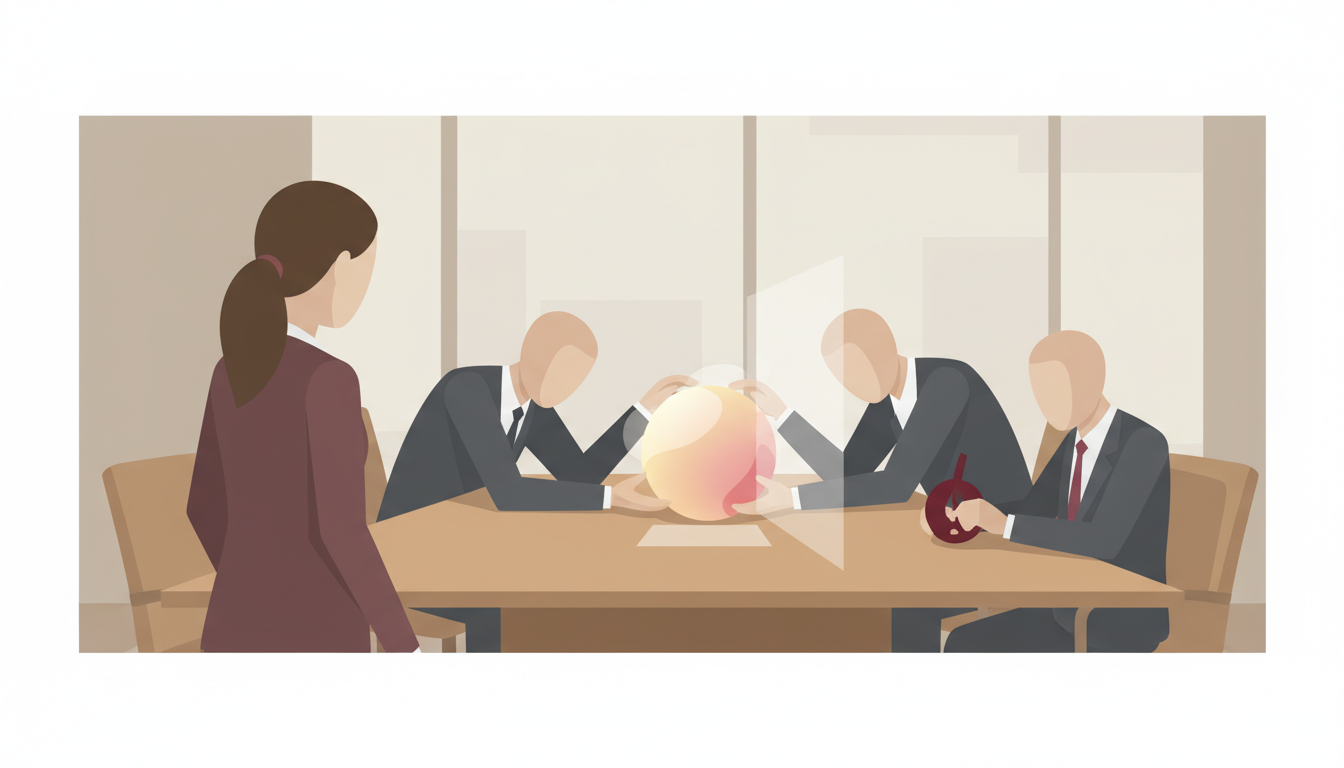
Undermining in meetings is almost always about power, not about the quality of your ideas. People undermine others to establish dominance, protect their territory, or redirect group attention toward themselves. Research from the Center for Creative Leadership found that 38% of professionals reported that political maneuvering was the primary driver of undermining behavior in their organizations.
Common triggers include perceived threats to someone's status, competition for visibility with leadership, and insecurity about one's own competence. If you've recently been promoted, received public praise, or taken on a high-profile project, you may become a target — precisely because you're doing well.
The Cost of Staying Silent
Silence is the most damaging response to being undermined. When you don't address the behavior, three things happen: the underminer is emboldened to continue, observers begin to associate you with passivity, and your own confidence erodes over time.
According to a 2022 survey by VitalSmarts (now Crucial Learning), employees who failed to address undermining behavior reported a 30% decrease in job satisfaction and were 50% more likely to consider leaving their role within 12 months. The professional cost of inaction is real and measurable.
If you've noticed a pattern of shrinking in meetings, the strategies below will help you reverse that pattern starting with your very next meeting.
The 8 Responses: Exact Scripts and Body Language
Response 1: The Calm Reclaim (For Credit-Stealing)
When to use it: Someone rephrases your idea and presents it as their own. The scenario: You propose a new client onboarding process in a team meeting. Ten minutes later, a colleague says, "I think what we should really do is redesign the onboarding flow" — essentially restating your idea. Script: "Thanks, Mark. I'm glad you're building on the onboarding redesign I proposed earlier. To add to my original point…" Body language: Maintain steady eye contact with the group (not just the underminer). Keep your hands visible and gestures open. Do not smile apologetically — keep a neutral, composed expression. Why it works: You reassert ownership without accusation. The phrase "my original point" is factual, not aggressive, and it signals to everyone in the room that the idea originated with you.Response 2: The Direct Address (For Interruptions)
When to use it: Someone consistently talks over you or cuts you off mid-sentence. Script: "I'd like to finish my point. As I was saying…" Alternative script (for repeat offenders): "I've noticed I've been interrupted several times. I'd appreciate the space to complete my thought." Body language: Raise your hand slightly — palm out, at chest height — as a subtle "stop" signal. Keep your voice steady and at the same volume. Do not speed up to try to finish before the interruption. Slow down.For more techniques on handling this specific dynamic, see our guide on how to handle being talked over in meetings.
Response 3: The Evidence Anchor (For Baseless Contradictions)
When to use it: Someone dismisses your idea with vague criticism like "That won't work" or "We've tried that before" without offering specifics. Script: "I'd like to understand that perspective better. Can you point to specific data or a past example? My recommendation is based on [cite your evidence]." Body language: Lean forward slightly. This signals engagement, not retreat. Tilt your head subtly — it communicates that you're listening and evaluating, not defensive. Why it works: You shift the burden of proof onto the underminer. Vague dismissals collapse when met with a calm request for evidence.Response 4: The Reframe (For Condescending Comments)
When to use it: Someone uses patronizing language like "That's an interesting thought for someone at your level" or "Let me explain how this actually works." Script: "I appreciate the context. My recommendation stands based on [your reasoning]. Let's evaluate it on its merits." Body language: Sit up straight. Square your shoulders to the table. Speak at a measured pace — slower than your natural instinct in the moment. This projects commanding presence even when you feel rattled inside.Know exactly what to say next time. The Pushback Playbook has 50 word-for-word scripts for moments like this one: what they say, what you say, why it works, and what to do if they push back. Get The Pushback Playbook — $27
Response 5: The Ally Activation (For Systemic Patterns)
When to use it: The undermining is a pattern, not a one-time event, and you need allies to help disrupt it. Pre-meeting script (to a trusted colleague): "I've noticed that my contributions tend to get redirected in these meetings. Would you be willing to back me up by referencing my ideas by name if it happens?" In-meeting ally script (what your ally says): "As Sarah mentioned earlier, the onboarding redesign she proposed addresses exactly this issue." Why it works: Third-party attribution is more powerful than self-advocacy. A Harvard Business Review study found that having even one ally amplify your contributions increased perceived competence by 35% among meeting observers.Response 6: The Strategic Question (For Dismissive Redirection)
When to use it: Someone changes the subject immediately after your contribution, effectively burying your point. Script: "Before we move on, I'd like to make sure my proposal gets proper consideration. Can we spend two minutes on the specifics I raised?" Body language: Direct your gaze toward the meeting facilitator or the most senior person in the room. You're not asking the underminer for permission — you're appealing to the group's process.Response 7: The Record Setter (For Revisionist Accounts)
When to use it: After a meeting, someone misrepresents what you said or takes credit in follow-up communications. Email script: "Thanks for the recap. I want to clarify that the [specific proposal] was my recommendation, as discussed during the meeting. I'll follow up with the supporting analysis I presented." Why it works: Written records create accountability. This isn't petty — it's professional documentation. For more on writing with authority in these situations, explore our guide on how to sound authoritative in emails.Response 8: The Escalation Conversation (For Persistent Undermining)
When to use it: You've tried direct responses and the behavior continues. Script (to your manager or HR): "I want to flag a pattern I've observed. In the last [number] meetings, [specific behavior] has occurred [number] times. Here are the dates and specifics. This is affecting my ability to contribute effectively, and I'd like to discuss how to address it." Key principle: Lead with facts, not feelings. Document dates, quotes, and witnesses. Frame the issue as a business problem (your contributions are being suppressed), not a personal grievance.The Body Language Foundation: Non-Verbal Authority Under Pressure
The Power Posture Reset
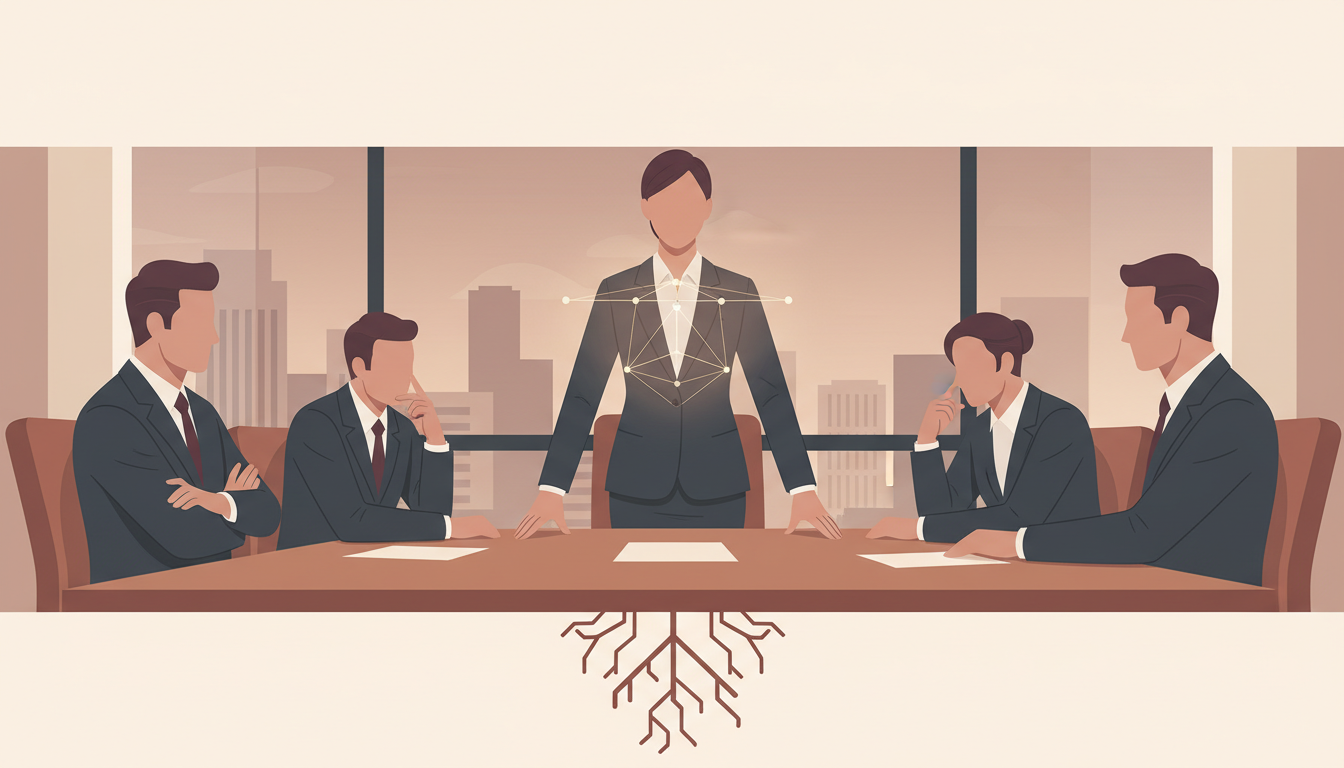
Your body responds to undermining before your brain does. When someone dismisses you, your instinct is to shrink — shoulders roll forward, eye contact drops, voice gets quieter. You need to override this.
The 3-second reset: When you feel undermined, plant both feet flat on the floor, press your back against the chair, and place your hands on the table (visible, not in your lap). Take one slow breath. This physiological reset takes three seconds and immediately changes how others perceive you.Research by Amy Cuddy at Harvard Business School found that expansive postures increase testosterone (confidence hormone) by 20% and decrease cortisol (stress hormone) by 25% — even when held for just two minutes. You don't need two minutes. You need three seconds of intentional repositioning.
Voice Control Under Stress
When undermined, most people either go quiet or get louder. Both responses signal that the underminer has gotten to you. Instead, focus on three vocal elements:
- Pace: Slow down by 15-20%. Rushed speech signals anxiety.
- Pitch: Drop your pitch to the lower end of your natural range. Higher pitch signals stress.
- Pauses: Insert a two-second pause before responding. This signals control and thoughtfulness.
For a deeper dive into vocal authority techniques, read our guide on how to speak with gravitas.
The Escalation Framework: When to Push Back Harder
Level 1: In-the-Moment Redirect (First Occurrence)
Use Responses 1-4 above. Assume positive intent. The person may not realize they're undermining you. A single, calm redirect often solves the problem permanently.
Level 2: Private Conversation (Second or Third Occurrence)
Pull the person aside after the meeting. Use this script: "I want to address something I've noticed in our last few meetings. When [specific behavior], it makes it difficult for me to contribute effectively. I'd appreciate it if we could [specific request]."
Keep the conversation under five minutes. Be specific, not general. "You undermined me" is vague and will trigger defensiveness. "When you said 'let me explain how this actually works' after my proposal, it dismissed my expertise" is specific and harder to deny.
Level 3: Documented Escalation (Ongoing Pattern)
If the behavior continues after a private conversation, it's time to involve your manager or HR. Bring documentation: dates, specific quotes, witnesses, and a summary of the steps you've already taken. Frame it as: "This pattern is impacting team effectiveness and my ability to deliver results."
According to the Society for Human Resource Management (SHRM), only 30% of employees who experience repeated undermining formally report it — yet those who do with proper documentation see resolution rates above 60%.
Preventing Undermining Before It Starts
Pre-Meeting Positioning
The best defense against undermining is proactive authority-building. Before high-stakes meetings:
- Send a pre-read. Email your key points or proposal to the group before the meeting. This creates a written record of your ideas with timestamps.
- Claim agenda space. Ask the meeting organizer to add your topic to the formal agenda. Agenda items carry more weight than ad-hoc contributions.
- Brief key stakeholders. Share your perspective with one or two influential attendees beforehand. This creates allies who already know your position.
These strategies align with the broader credibility-building approaches in our guide on how to build credibility at work without bragging.
Building a Reputation That Resists Undermining
Long-term, the most effective protection against being undermined is a professional reputation so strong that undermining attempts look petty rather than credible. This means consistently demonstrating expertise, building visible relationships with senior leaders, and establishing authority at work through the quality and consistency of your contributions.
When your credibility is well-established, attempts to undermine you backfire on the underminer — because the room already knows your track record.
Frequently Asked Questions
How do I handle being undermined by my boss in meetings?
Being undermined by a boss requires a different approach than peer undermining. Avoid public confrontation. Instead, request a private one-on-one and use this script: "I want to be as effective as possible in our team meetings. When [specific behavior] happens, it makes it harder for me to contribute my best work. How can we align on this?" If the behavior persists, document it and consider involving HR or a skip-level manager.
What's the difference between being undermined and receiving constructive criticism?
Constructive criticism targets your idea with specific, evidence-based feedback intended to improve the outcome. Undermining targets your credibility, competence, or authority — often with vague dismissals, personal jabs, or credit-stealing. The key test: does the feedback help you improve your work, or does it diminish your standing in the room? Constructive criticism builds up the work. Undermining tears down the person.
How do I stop being undermined in meetings as a woman?
Women experience undermining at disproportionate rates. A McKinsey & Company 2023 Women in the Workplace report found that women leaders are twice as likely as men to be interrupted or have their ideas credited to others. Use the same scripts above, but also build a "amplification network" — a group of colleagues who commit to attributing ideas correctly and backing each other up. For a comprehensive approach, see our guide on executive presence for women in leadership.
Should I confront someone who undermines me in front of others?
Address the behavior, not the person, and do it in real-time using calm, factual language. Saying "I'd like to finish my point" or "I want to clarify that this was my proposal" is appropriate in a meeting setting. However, avoid emotional confrontations or accusations of intent ("You're trying to undermine me") in front of a group. Save deeper conversations about the pattern for private, one-on-one discussions.
How do I document being undermined at work?
Keep a simple log with four columns: date, meeting name, specific behavior (exact quotes when possible), and witnesses present. Store this in a personal document outside of company systems. When you have three or more documented instances, you have a pattern — which is far more compelling to HR or management than a single complaint. Include any follow-up emails or messages that corroborate your account.
Can being undermined in meetings affect my career advancement?
Yes, significantly. A 2021 study in Organization Science found that professionals who were consistently undermined in group settings received 18% lower performance ratings than peers with equal output — because evaluators unconsciously associated the undermining with lower competence. Addressing the behavior early protects not just your confidence, but your career trajectory, visibility, and promotion potential.
Never Be Caught Without the Right Words Again
50 word-for-word scripts for being talked down to, interrupted, dismissed, and put on the spot at work, plus five worksheets. PDF, 50 pages.
Get The Pushback Playbook — $27Related Articles
How to Handle Being Undermined at Work Professionally
To handle being undermined at work, first identify the specific behavior — whether it's being contradicted publicly, excluded from decisions, or having your authority bypassed. Then respond strategically, not reactively. Use direct, calm language to address the behavior in real time (e.g., "I want to make sure we're aligned — let me walk through my reasoning"). Document patterns, have a private conversation with the person involved, and rebuild your credibility through visible, high-value contri

How to Handle Being Talked Down to at Work Professionally
To handle being talked down to at work, stay calm and address the behavior directly using neutral, assertive language. Name the specific behavior without attacking the person by saying something like, "I'd appreciate it if we could discuss this as equals—I have relevant expertise here." Set clear boundaries, document patterns of condescension, and escalate to HR if the behavior continues. The goal is to protect your credibility and professional standing without matching their tone or becoming re

How to Handle Being Interrupted in Meetings Professionally
When you're interrupted in a meeting, pause briefly, maintain open body language, and use a calm redirect phrase such as "I'd like to finish my point" or "Let me complete this thought." The key is responding without escalating—combining assertive language with composed delivery signals confidence and commands respect. Chronic interrupters can be managed through proactive strategies like pre-framing your contributions, building alliances, and addressing the pattern directly in private.