
How to Build Executive Presence Remotely: A Full Guide

Building executive presence remotely requires intentional mastery of three dimensions: how you appear on camera, how you write in digital channels, and how you lead when no one can see you working. Unlike in-person settings, remote environments strip away many natural authority cues—your posture in a hallway, your handshake, your physical command of a conference room. To compensate, you must engineer credibility through deliberate video presence, concise and authoritative written communication, strategic visibility in asynchronous channels, and consistent follow-through that builds trust over time.
What Is Executive Presence in a Remote Environment?
Executive presence remotely is the ability to project confidence, decisiveness, and leadership authority through digital channels—video calls, emails, Slack messages, and virtual presentations—without relying on in-person physical cues. It's the combination of gravitas, communication clarity, and strategic visibility that makes colleagues, stakeholders, and senior leaders perceive you as someone who leads, not just participates.
In traditional settings, executive presence often relies on body language, vocal command, and physical space. In remote work, those signals must be translated into digital equivalents: camera presence, writing style, response patterns, and how you shape conversations in virtual rooms. According to a 2023 survey by the Center for Talent Innovation (now Coqual), 67% of senior leaders say executive presence is a critical factor in promotion decisions—yet most professionals have never been taught how to project it through a screen.
Why Executive Presence Is Harder to Build Remotely (and Why It Matters More)
The Visibility Gap in Remote Work
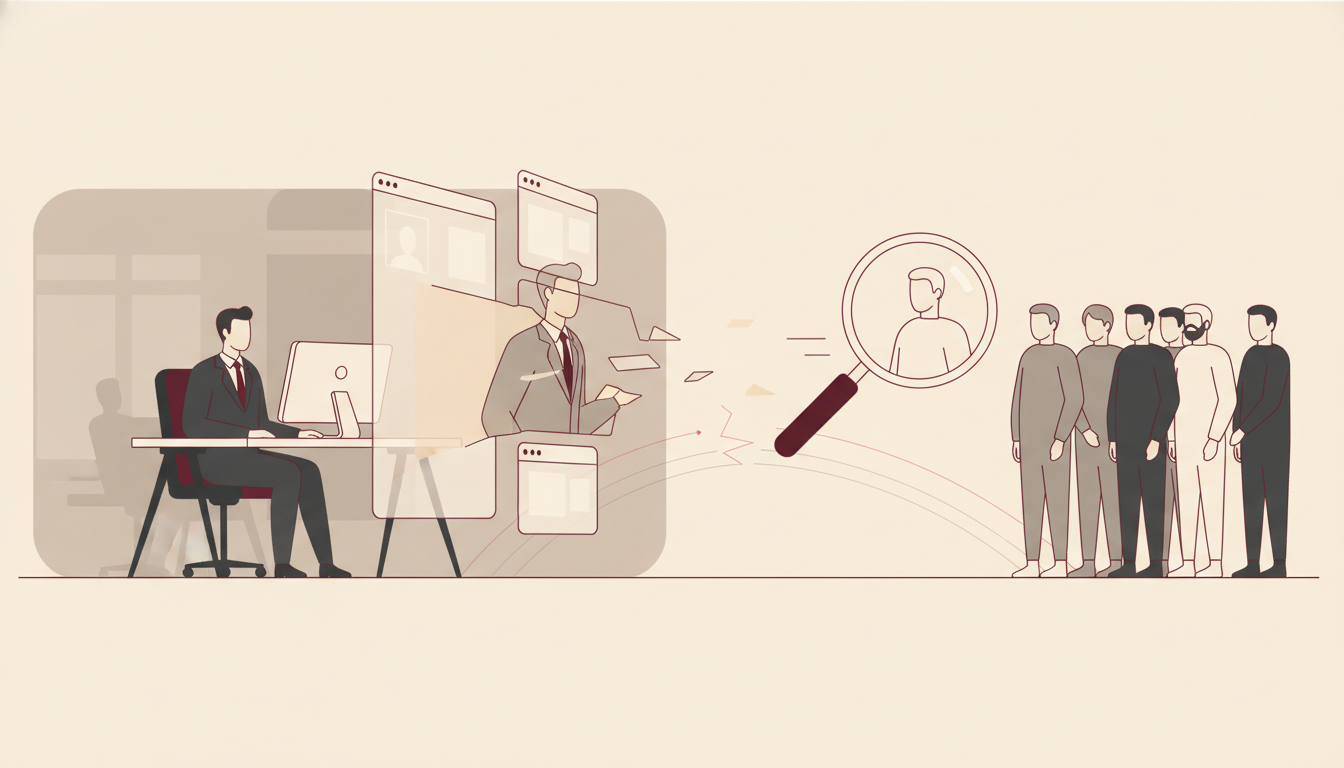
In an office, you build presence passively. People see you walking to meetings, overhear you coaching a colleague, notice your composure during a tough conversation. Remote work eliminates all of that ambient visibility.
A 2023 Microsoft Work Trend Index report found that 85% of leaders say hybrid work has made it challenging to have confidence that employees are being productive. This perception gap doesn't just affect trust—it directly impacts how your leadership presence is evaluated. If leaders can't see you leading, they may assume you aren't.
This means remote professionals must be deliberately visible. You can't rely on proximity to build credibility. Every interaction—every Zoom call, every Slack message, every email—becomes a stage for your executive presence.
The Authority Erosion Effect
Remote environments flatten hierarchies in ways that can erode authority. When everyone is the same-sized rectangle on a screen, the visual cues that typically signal seniority disappear. A director and a junior analyst look identical on Zoom.
This flattening effect means your authority must come from how you communicate, not where you sit. Your word choice, your camera presence, your ability to synthesize complex ideas quickly—these become your primary authority signals. If you haven't already explored how language shapes perception, the guide on how to sound more strategic at work breaks down the exact shifts that separate strategic communicators from everyone else.
The Trust Deficit in Virtual Teams
Harvard Business Review research from 2022 found that remote workers are 38% less likely to receive favorable performance reviews compared to in-office peers doing equivalent work. This isn't about quality of work—it's about perceived presence and trust.
Building executive presence remotely means actively closing this trust deficit. You do that not by working more hours, but by communicating with more intention, consistency, and authority in every digital touchpoint.
Mastering Video Call Presence: Your Most Visible Leadership Stage
Camera Setup and Visual Authority
Your video setup is your office. It communicates professionalism, attention to detail, and self-awareness before you say a single word.
The Executive Video Setup Checklist:- Camera at eye level or slightly above. Looking up at a camera makes you appear smaller and less authoritative. A laptop on a stack of books or a dedicated webcam mount solves this instantly.
- Lighting from the front, slightly above. A ring light or desk lamp positioned behind your monitor eliminates shadows and makes you look alert and engaged. Avoid backlighting from windows, which turns you into a silhouette.
- Clean, intentional background. A bookshelf, a plant, a piece of art—choose a background that signals professionalism without distraction. Virtual backgrounds can work, but they often glitch and undermine the polished look you're going for.
- Frame yourself from mid-chest up. Too close feels aggressive. Too far makes you look disengaged. The mid-chest frame mimics the natural distance of a professional conversation.
According to a Stanford University study on "Zoom fatigue" (2021), visual elements of video calls significantly impact how participants perceive authority and engagement. Your setup isn't vanity—it's strategy.
Vocal Presence on Video Calls
On video, your voice carries even more weight than in person because visual cues are compressed into a small screen. A strong vocal presence can be the difference between being perceived as a contributor and being perceived as a leader.
Three vocal shifts for remote executive presence:- Lower your pitch slightly at the end of statements. Upward inflection (making statements sound like questions) undermines authority. Practice ending declarative sentences with a downward tone.
- Use strategic pauses. Before answering a question, pause for 1-2 seconds. This signals thoughtfulness, not uncertainty. It also prevents you from talking over others—a common video call problem that erodes presence.
- Speak 10-15% slower than your natural pace. Video compression and audio lag can muddle fast speech. Slowing down makes you sound more deliberate and confident.
For a deeper dive into vocal authority techniques, explore how to develop a commanding voice at work.
How to Command Attention in Virtual Meetings
Leading a virtual meeting requires different tactics than leading an in-person one. You can't use physical movement or eye contact across a room. Instead, use these techniques:
The "Name-Frame-Ask" method for virtual facilitation:- Name the person you're addressing ("Sarah, I'd like your perspective on this.")
- Frame the context briefly ("Given what we heard from the client last week...")
- Ask a specific, open-ended question ("What's the biggest risk you see in this timeline?")
This method accomplishes three things: it shows you're prepared, it demonstrates you value individual contributions, and it keeps you in the driver's seat of the conversation. Leaders who facilitate well on video are perceived as significantly more authoritative than those who simply present information.
If speaking up in meetings still feels uncomfortable, the framework on how to speak up in meetings when nervous provides a structured approach to finding your voice.
Written Communication: Where Remote Executive Presence Is Won or Lost
Email as an Authority Signal
In remote work, email is often your first impression—and your most frequent one. Every email you send either builds or erodes your executive presence.
The Executive Email Framework (C-A-R):- Context (1 sentence): Why you're writing. "Following up on our Q3 planning discussion..."
- Action (1-2 sentences): What you need or what you're recommending. "I recommend we move forward with Option B and lock the budget by Friday."
- Rationale (1-2 sentences): Brief supporting logic. "This gives us two weeks of buffer before the client review and aligns with the cost targets Maria outlined."
Compare this to the typical rambling email that buries the ask in paragraph three. The C-A-R framework signals that you think like a leader: clearly, decisively, and with respect for others' time.
Avoid hedging language like "I just wanted to check in" or "Sorry to bother you." These phrases signal deference, not leadership. For a comprehensive breakdown of how writing habits signal authority, see the guide on leadership presence in email.
Slack and Messaging Presence
Slack, Teams, and similar platforms have become the hallways of remote work. Your presence in these channels shapes how people perceive your leadership—often more than formal meetings do.
Rules for executive presence in messaging channels:- Lead with clarity, not volume. Posting frequently doesn't build presence. Posting usefully does. One clear, well-structured message is worth more than ten reactive ones.
- Use threads strategically. When you respond to a complex topic, organize your thoughts with bullet points or numbered steps. This signals structured thinking.
- Avoid over-using emojis and exclamation points. A well-placed emoji can humanize your communication. But excessive use—"Great job!! 🎉🎉🎉"—can dilute your authority. Match your tone to the context.
- Be the person who synthesizes. When a Slack thread gets chaotic, be the one who posts: "Let me summarize where I think we've landed..." This is a high-authority move that positions you as the person who brings order to complexity.
These habits align directly with the 12 weak communication habits that undermine your credibility—recognizing and eliminating them is one of the fastest ways to elevate your remote presence.
Async Communication: Leading When You're Not in the Room
Asynchronous communication—messages, documents, recorded updates—is where remote leaders truly differentiate themselves. Anyone can show up on a video call. But the ability to lead through well-crafted async communication signals a higher level of executive thinking.
Three async leadership practices:- Record short Loom or video updates instead of writing long documents. A 3-minute video where you explain your recommendation with confidence and clarity builds more presence than a 2,000-word memo. It also lets people hear your voice and see your composure.
- Write decision documents, not status updates. Instead of "Here's what happened this week," frame your updates as "Here's what I recommend and why." This shifts you from reporter to leader.
- Set clear response expectations. When you send an async message, include a deadline: "I'd appreciate your input by Thursday EOD so we can finalize Friday." This is a subtle but powerful authority signal—you're setting the pace, not waiting for it.
Strategic Visibility: Being Seen as a Leader Without Being in the Office
The 3-Touch Visibility System
Remote professionals who build executive presence don't leave visibility to chance. They use a system. The 3-Touch Visibility System ensures you're consistently present in the awareness of key stakeholders:
- Touch 1: Contribution visibility. At least once per week, share a meaningful insight, recommendation, or result in a channel or meeting where senior leaders are present. This isn't self-promotion—it's professional responsibility.
- Touch 2: Relationship visibility. Schedule one informal 15-minute virtual coffee per week with a colleague, stakeholder, or leader outside your immediate team. These conversations build the relational trust that remote work often erodes.
- Touch 3: Thought leadership visibility. Once per month, share a perspective—an article, a LinkedIn post, an internal presentation—that positions you as someone who thinks beyond your immediate role. For guidance on building this habit, the framework on thought leadership on LinkedIn is a strong starting point.
A 2024 Gartner survey found that employees who proactively manage their visibility in hybrid environments are 2.3 times more likely to be considered for leadership opportunities than equally qualified peers who don't.
Managing Up Remotely: Executive Presence with Senior Leaders
Your executive presence with your own manager and skip-level leaders is the highest-leverage area to develop. In remote settings, these relationships require more intentional maintenance.
Practical tactics for managing up remotely:- Send a weekly "3-2-1" update to your manager: 3 things you accomplished, 2 things you're focused on next, 1 thing you need input on. This takes 5 minutes to write and eliminates the "What are they even doing?" perception gap.
- Come to 1:1s with an agenda. Don't wait for your manager to drive the conversation. Prepare 2-3 discussion points that demonstrate strategic thinking, not just task completion.
- Ask for feedback proactively. "What's one thing I could do differently to have more impact?" This question signals self-awareness and growth orientation—two core components of executive presence.
For more on navigating senior relationships effectively, the guide on how to communicate with senior executives offers specific scripts and frameworks.
Build the Authority That Gets You Noticed If you're ready to stop being overlooked and start being recognized as a leader—regardless of where you work—*The Credibility Code* provides the complete playbook for professional credibility, commanding communication, and career authority. Discover The Credibility Code
Virtual Presentations: Commanding a Room You're Not In
Structuring Presentations for Virtual Audiences
Virtual audiences have shorter attention spans and more distractions than in-person ones. Research from Prezi (2022) found that 80% of professionals multitask during virtual presentations. Your structure must fight for attention from the first sentence.
The "Hook-Map-Deliver" framework for virtual presentations:- Hook (first 30 seconds): Open with a specific, relevant statement that creates urgency. Not "Today I'll be talking about Q3 results." Instead: "We left $2.3 million on the table last quarter—and I have a plan to recover it in Q4."
- Map (next 30 seconds): Tell them exactly what you'll cover and how long it will take. "I'll walk you through three recommendations in the next 12 minutes, and I'll leave 5 minutes for questions."
- Deliver (remaining time): Use the "one slide, one point" rule. Each slide should make exactly one argument. Busy slides kill authority.
For more on opening with impact, see how to start a presentation with confidence.
Handling Q&A and Pushback Virtually
How you handle questions and pushback on video calls is one of the most revealing tests of executive presence. The pressure is amplified because everyone can see your face in close-up.
The CALM method for virtual Q&A:- C – Clarify: "Great question. Just to make sure I understand—are you asking about the timeline or the budget impact?"
- A – Acknowledge: "That's a fair concern, and I considered it during the analysis."
- L – Land your point: Deliver your response in 2-3 sentences maximum. Brevity signals confidence.
- M – Move forward: "Does that address your question? Great—let's move to the next point."
Never apologize for not knowing something. Instead, say: "I don't have that specific data point in front of me. I'll follow up with the exact figure by end of day." This response demonstrates accountability without sacrificing authority.
Frequently Asked Questions
What is executive presence in remote work?
Executive presence in remote work is the ability to project leadership authority, confidence, and credibility through digital channels like video calls, email, Slack, and virtual presentations. It encompasses your visual presentation on camera, the clarity and decisiveness of your written communication, your strategic visibility with stakeholders, and your ability to lead conversations and decisions without relying on in-person physical cues.
How is executive presence different in remote vs. in-person settings?
In-person executive presence relies heavily on body language, physical space, vocal projection, and spontaneous interactions. Remote executive presence shifts the emphasis to written communication quality, camera presence, asynchronous leadership, and deliberate visibility strategies. Both require gravitas and clear communication, but remote settings demand more intentional effort because you lose the passive visibility and physical authority cues that offices naturally provide.
Can introverts build executive presence remotely?
Absolutely—and remote work can actually be an advantage for introverts. Asynchronous communication channels give introverts time to compose thoughtful, well-structured responses rather than competing for airtime in crowded meetings. Introverts often excel at the written communication and deep-thinking aspects of remote executive presence. The key is developing a personal brand strategy that works with your natural strengths rather than against them.
How do I build executive presence on Zoom calls specifically?
Focus on three areas: visual setup (camera at eye level, good lighting, clean background), vocal delivery (lower pitch at end of statements, strategic pauses, slower pace), and conversational leadership (facilitate with the Name-Frame-Ask method, synthesize discussions, speak with brevity and clarity). Treat every Zoom call as a stage where your leadership is being evaluated—because it is.
How long does it take to build executive presence remotely?
Most professionals notice a shift in how they're perceived within 4-8 weeks of consistent, intentional practice. The key word is consistent. Executive presence isn't built in a single impressive meeting—it's built through repeated signals of competence, confidence, and clarity across dozens of interactions. Start with one area (such as email authority or video presence), master it, then expand.
Does executive presence matter if I'm not in a leadership role?
Yes. Executive presence is one of the strongest predictors of promotion potential. Senior leaders consistently cite it as a deciding factor when evaluating who is ready for leadership responsibilities. Building executive presence before you have a leadership title is what gets you the title. The credibility roadmap for building authority in your career outlines exactly how to do this strategically.
Build Presence People Notice Before You Say a Word
The Credibility Code gives you the specific verbal and nonverbal habits that make people treat you as the senior person in the room.
Discover The Credibility CodeRelated Articles

Body Language for Leadership Presence: A Complete Guide
Body language for leadership presence is the intentional use of nonverbal cues—posture, eye contact, gestures, facial expressions, and spatial positioning—to project authority, confidence, and credibility in professional settings. Research from UCLA professor Albert Mehrabian found that up to 55% of communication impact comes from nonverbal signals. This guide gives you a complete framework for mastering the physical cues that make people listen, trust, and follow your lead in meetings, presenta

Leadership Presence Without Charisma: A Quiet Framework
Leadership presence doesn't require charisma. While many professionals assume they need a magnetic personality, natural charm, or the ability to "work a room" to be seen as a leader, research shows otherwise. Leadership presence without charisma is built through consistent preparation, structured communication, and deliberate behavioral patterns. Quiet, methodical professionals can command just as much authority as their extroverted peers — often more — by mastering a repeatable framework rooted

Leadership Presence in Virtual Meetings: 10 Key Tactics
Leadership presence in virtual meetings is your ability to project authority, command attention, and influence outcomes when you're communicating through a screen. To build it, focus on these 10 tactics: optimize your camera setup and lighting, anchor your vocal energy to compensate for digital flattening, use strategic silence instead of filler, master meeting facilitation techniques, leverage the chat and reaction tools deliberately, frame your contributions with executive-level structure, con