Blog, page 14

Practical scripts, frameworks, and examples for the conversations that decide how seriously people take you.

Articles

Communicate With Confidence at Work: Daily Habits That Stick
Professional Communication

Communicate With Confidence at Work: Daily Habits That Stick

Learning how to communicate with confidence at work starts with building small, repeatable daily habits rather than waiting for a personality overhaul. The most impactful habits include replacing hedging language with direct statements, preparing a "lead with the point" structure before every meeting, using deliberate pauses instead of filler words, and practicing the 24-hour assertion cycle—where you commit to one clear, confident communication act each day. These habits compound over weeks, re


Personal Brand for Career Growth: A Strategic Framework
Personal Branding

Personal Brand for Career Growth: A Strategic Framework

A personal brand for career growth is the intentional alignment of your expertise, communication style, and professional visibility so that decision-makers consistently associate you with the right capabilities. It's not about self-promotion—it's about strategic positioning. The most effective personal brands are built on narrative consistency, credibility signals, and deliberate visibility in the moments that shape career trajectories. This framework shows you exactly how to design and communic

How to Negotiate When You Feel Nervous: A Calm Framework
Negotiation

How to Negotiate When You Feel Nervous: A Calm Framework

To negotiate when you feel nervous, start by reframing anxiety as activation energy—your body is preparing you to perform, not warning you to retreat. Then follow a structured calm framework: prepare your anchors (key numbers, talking points, and a walk-away point) before the conversation, use a scripted opener to bypass the hardest first 30 seconds, and deploy in-the-moment resets like tactical pauses and slow breathing to stay grounded. Nervousness doesn't disqualify you from negotiating well—

Build Credibility at Work as a New Hire: 10 Proven Moves
Career Authority

Build Credibility at Work as a New Hire: 10 Proven Moves

Building credibility at work as a new hire starts with a deliberate strategy in your first 30–60 days. Focus on listening before speaking, delivering quick wins that solve real problems, asking high-quality questions, and building trust through consistent follow-through. The professionals who earn credibility fastest don't wait to be asked to prove themselves — they demonstrate competence, reliability, and strategic thinking from day one through specific, repeatable actions.

Rebuild Workplace Confidence After Being Passed Over
Workplace Confidence

Rebuild Workplace Confidence After Being Passed Over

Being overlooked for a promotion you deserved is one of the most disorienting professional experiences you'll face. Your workplace confidence after being overlooked for promotion can be rebuilt — but it requires a deliberate approach, not just time. The recovery process has three phases: processing the emotional impact honestly, having a strategic conversation with leadership about the decision, and executing a 90-day visibility and credibility plan that makes you impossible to overlook again. T

How to Communicate With Gravitas: The 6 Core Pillars
Leadership Presence

How to Communicate With Gravitas: The 6 Core Pillars

Communicating with gravitas means combining composure, precision, conviction, strategic silence, intellectual depth, and emotional steadiness to project authority in every professional interaction. It's not about being the loudest voice in the room—it's about being the most trusted. Gravitas is learnable. By practicing six core pillars daily, you can shift from being heard to being *heeded*, transforming how colleagues, executives, and stakeholders perceive your leadership capacity.

Develop a Confident Speaking Voice for Work: Daily Drills
Public Speaking

Develop a Confident Speaking Voice for Work: Daily Drills

To develop a confident speaking voice for work, focus on five vocal mechanics daily: diaphragmatic breathing for resonance, deliberate pacing with strategic pauses, lower pitch anchoring, eliminating uptalk and filler words, and projecting volume without strain. Spend 10 minutes each morning on targeted vocal drills—humming, breath control exercises, and pitch calibration—and run a 3-minute warm-up before every meeting. Within 4–6 weeks of consistent practice, these techniques rewire your vocal

Present to Executives Without Slides: The Verbal Framework
Executive Communication

Present to Executives Without Slides: The Verbal Framework

To present to executives without slides, lead with your recommendation first, structure your supporting points using the Pyramid Principle (conclusion → key reasons → evidence), and use verbal signposting to guide listeners through your logic. This approach respects executives' time, demonstrates strategic thinking, and projects confidence. The framework below gives you a repeatable verbal structure for any slide-free executive briefing — whether planned or impromptu.

Leadership Presence in Difficult Conversations: A Framework
Leadership Presence

Leadership Presence in Difficult Conversations: A Framework

Leadership presence in difficult conversations means maintaining composure, credibility, and authority when the emotional stakes are high—whether you're delivering tough feedback, navigating pushback from peers, or sharing unwelcome news. The framework that follows gives you a step-by-step method to prepare mentally, regulate your emotions in real time, choose language that commands respect, and recover quickly if you lose your footing. These are the same techniques used by executives who stay c

Build Authority at Work Without Being Arrogant: 9 Moves
Career Authority

Build Authority at Work Without Being Arrogant: 9 Moves

Building authority at work without being arrogant comes down to nine specific behaviors: lead with competence (not credentials), ask high-quality questions, share credit strategically, offer solutions before opinions, develop a signature expertise, practice measured visibility, give before you ask, hold your ground calmly, and let your track record speak. These moves signal authority through value creation rather than self-promotion, earning you respect that sticks.

How to Influence People Without Formal Authority at Work
Leadership Presence

How to Influence People Without Formal Authority at Work

You don't need a leadership title to shape decisions, move projects forward, or earn the respect of senior stakeholders. To influence people without formal authority, focus on five core strategies: build credibility currencies (expertise, reliability, relationships), frame your ideas around what others value, create coalitions of support before key decisions, use confident and precise language patterns, and consistently deliver visible results. Influence without authority is a learnable communic

How to Speak With Authority as a Woman in Leadership
Public Speaking

How to Speak With Authority as a Woman in Leadership

Speaking with authority as a woman in leadership requires deliberate shifts in vocal delivery, language patterns, and physical presence—not a personality overhaul. The most effective strategies include eliminating hedging language ("I just think…"), grounding your voice in your lower register, using strategic pauses instead of filler words, and claiming physical space with open, anchored body language. These evidence-based techniques help you command credibility in any room while staying fully a

Personal Brand for Promotion: Position Yourself to Advance
Personal Branding

Personal Brand for Promotion: Position Yourself to Advance

Building a personal brand for promotion at work means intentionally shaping how decision-makers perceive your value, expertise, and leadership readiness. It goes beyond doing good work — it requires making your contributions visible, aligning your reputation with organizational priorities, and consistently communicating in ways that signal you're ready for the next level. This article gives you a concrete 90-day plan to build the internal brand that gets you promoted.

How to Recover From Losing Credibility at Work Fast
Workplace Confidence

How to Recover From Losing Credibility at Work Fast

Recovering from losing credibility at work requires a deliberate, phased approach: first, own the mistake without over-apologizing; second, go quiet on self-promotion and loud on delivering results; third, strategically rebuild trust through consistent, visible wins over 30–60 days. The professionals who recover fastest don't try to explain away the damage—they replace the narrative with new evidence of competence. This article gives you the exact playbook to do it.

Leadership Presence vs Charisma: Key Differences Explained
Leadership Presence

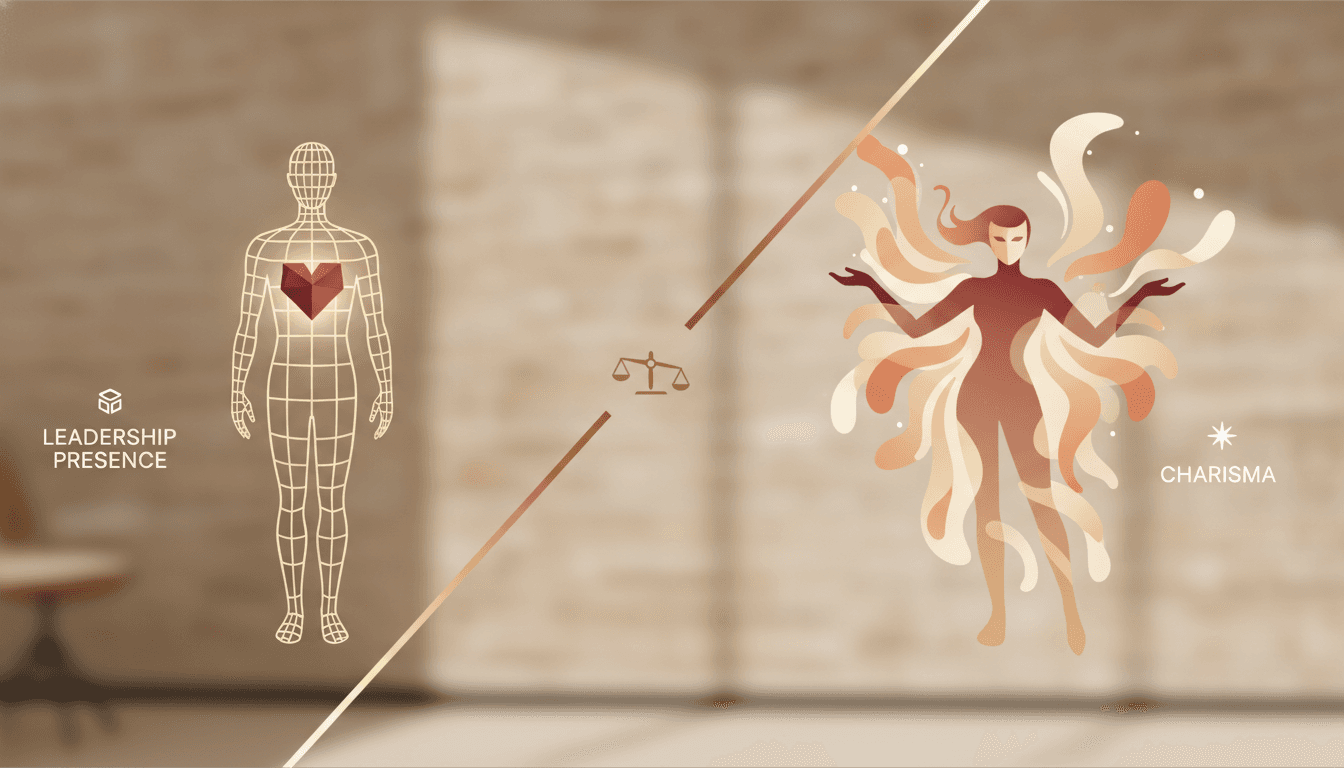
Leadership Presence vs Charisma: Key Differences Explained

Leadership presence and charisma are often confused, but they are fundamentally different. Charisma is a personality-driven magnetism that draws people in through energy and charm. Leadership presence is a credibility-based authority built on consistency, competence, and composure. The critical difference: charisma is largely innate and situational, while leadership presence is learnable, sustainable, and rooted in trust. Professionals who understand this distinction can stop chasing charm and s

How to Negotiate With Someone Who Has More Power
Negotiation

How to Negotiate With Someone Who Has More Power

To negotiate with someone who has more power, shift your focus from positional authority to preparation-based leverage. Research their priorities, anchor the conversation in data and shared outcomes, and use credibility—not confrontation—to create value. Power imbalances shrink when you bring unique insights, clear alternatives, and composed delivery to the table. The person with the title doesn't always control the outcome; the person with the best preparation often does.

Personal Branding for Women in Leadership: Strategy Guide
Personal Branding

Personal Branding for Women in Leadership: Strategy Guide

Personal branding for women in leadership requires a deliberate, strategic approach that accounts for the unique dynamics women face in professional environments. Unlike generic branding advice, women leaders must navigate the well-documented likability-competence double bind, build visibility without triggering self-promotion backlash, and craft a brand narrative rooted in authority rather than accommodation. This guide provides specific frameworks, scripts, and strategies to help you build a p

How to Write Emails That Get Taken Seriously at Work
Executive Communication

How to Write Emails That Get Taken Seriously at Work

To write emails that get taken seriously at work, lead with your key point in the first two sentences, use a specific and action-oriented subject line, eliminate hedging language like "just" and "I think," structure your message using the inverted pyramid (conclusion first, then context), and close with a clear call to action. These structural and tonal shifts signal confidence, respect the reader's time, and position you as a credible professional whose messages demand attention.

How to Be Taken Seriously as a Young Leader at Work
Leadership Presence

How to Be Taken Seriously as a Young Leader at Work

To be taken seriously as a young leader, focus on five core areas: communicate with precision and brevity, make decisive calls and own the outcomes, control your body language to project calm authority, build strategic relationships with senior stakeholders, and consistently deliver visible results. Age becomes irrelevant when your communication signals competence, your decisions demonstrate judgment, and your presence commands respect — not because you demand it, but because you've earned it th

How to Communicate With Gravitas: 8 Daily Practices
Professional Communication

How to Communicate With Gravitas: 8 Daily Practices

To communicate with gravitas, practice these eight daily habits: slow your delivery, choose precise language, eliminate hedging words, manage emotional reactivity, use purposeful silence, lead with conclusions, anchor your body language, and prepare your key messages in advance. Gravitas isn't a personality trait — it's a communication discipline. Professionals who develop it are perceived as more credible, more competent, and more worthy of leadership roles.

How to Establish Authority in a New Role: First 60 Days
Career Authority

How to Establish Authority in a New Role: First 60 Days

To establish authority in a new role, focus on three pillars during your first 60 days: listen before you lead (days 1–20), deliver visible early wins (days 21–40), and cement your communication cadence (days 41–60). Authority isn't claimed — it's built through strategic relationship mapping, consistent follow-through, and communication signals that telegraph competence. The professionals who earn credibility fastest are those who resist the urge to prove themselves immediately and instead inves

How to Build Confidence at Work After a Major Failure
Workplace Confidence

How to Build Confidence at Work After a Major Failure

To build confidence at work after failure, start by separating the failed outcome from your professional identity. Then follow a structured recovery process: acknowledge the failure honestly, extract specific lessons, rebuild through small visible wins, and reframe your narrative from "I failed" to "I learned and adapted." Research shows that professionals who treat failure as data — not a verdict — recover their confidence and credibility faster, often emerging with stronger leadership presence

Leadership Presence Without Being Loud: A Quiet Guide
Leadership Presence

Leadership Presence Without Being Loud: A Quiet Guide

Leadership presence without being loud is built on three pillars: composure under pressure, precision in communication, and consistency in follow-through. You don't need to dominate conversations, raise your voice, or command attention through volume. The most respected leaders in any room often speak least — but when they do, every word lands. Quiet leadership presence comes from intentional stillness, strategic silence, and the confidence to let your competence speak before your voice does.