
Leadership Presence

How leaders signal authority through posture, pacing, and word choice, and how to build that presence deliberately when you do not have a title that does it for you.

95 articles

Leadership Presence, page 3

How to Communicate With Gravitas: The 6 Core Pillars

How to Communicate With Gravitas: The 6 Core Pillars

Communicating with gravitas means combining composure, precision, conviction, strategic silence, intellectual depth, and emotional steadiness to project authority in every professional interaction. It's not about being the loudest voice in the room—it's about being the most trusted. Gravitas is learnable. By practicing six core pillars daily, you can shift from being heard to being *heeded*, transforming how colleagues, executives, and stakeholders perceive your leadership capacity.

Leadership Presence in Difficult Conversations: A Framework

Leadership Presence in Difficult Conversations: A Framework

Leadership presence in difficult conversations means maintaining composure, credibility, and authority when the emotional stakes are high—whether you're delivering tough feedback, navigating pushback from peers, or sharing unwelcome news. The framework that follows gives you a step-by-step method to prepare mentally, regulate your emotions in real time, choose language that commands respect, and recover quickly if you lose your footing. These are the same techniques used by executives who stay c

How to Influence People Without Formal Authority at Work

How to Influence People Without Formal Authority at Work

You don't need a leadership title to shape decisions, move projects forward, or earn the respect of senior stakeholders. To influence people without formal authority, focus on five core strategies: build credibility currencies (expertise, reliability, relationships), frame your ideas around what others value, create coalitions of support before key decisions, use confident and precise language patterns, and consistently deliver visible results. Influence without authority is a learnable communic

Leadership Presence vs Charisma: Key Differences Explained

Leadership Presence vs Charisma: Key Differences Explained

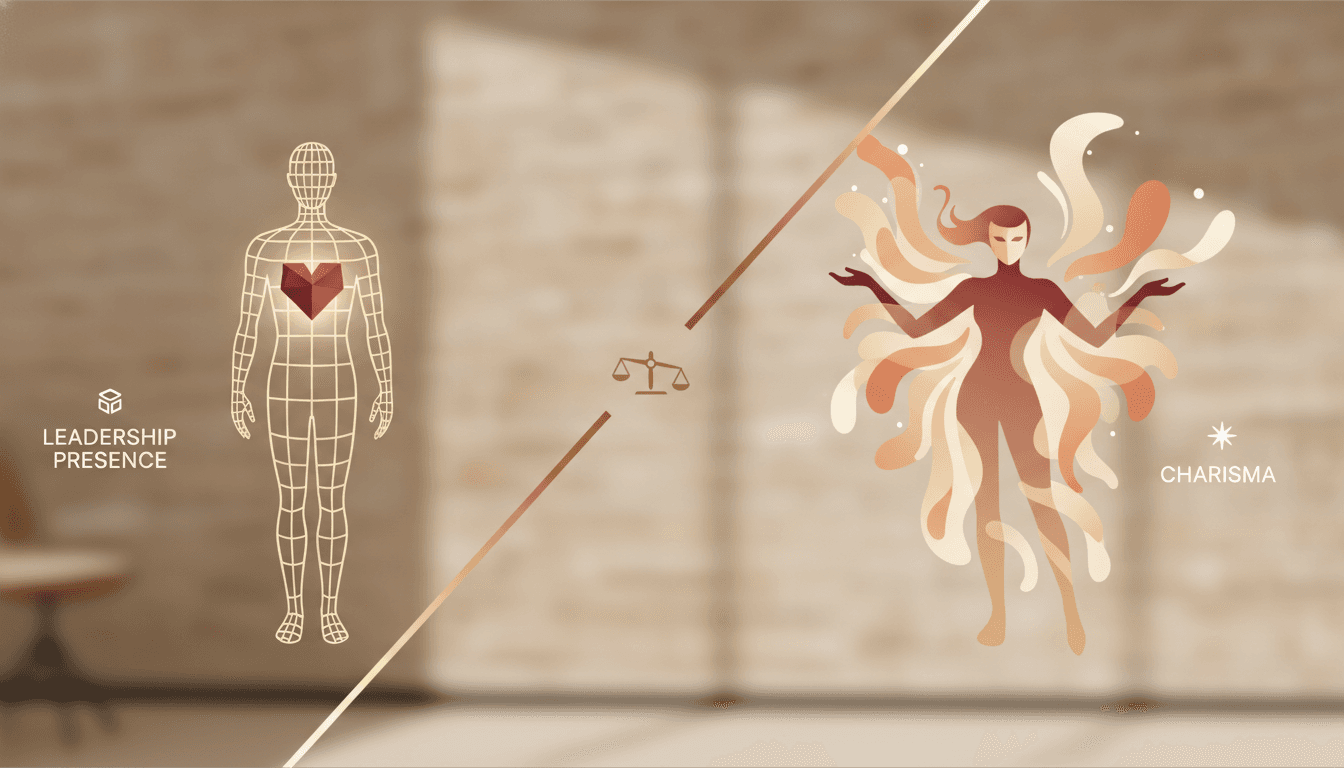
Leadership presence and charisma are often confused, but they are fundamentally different. Charisma is a personality-driven magnetism that draws people in through energy and charm. Leadership presence is a credibility-based authority built on consistency, competence, and composure. The critical difference: charisma is largely innate and situational, while leadership presence is learnable, sustainable, and rooted in trust. Professionals who understand this distinction can stop chasing charm and s

How to Be Taken Seriously as a Young Leader at Work

How to Be Taken Seriously as a Young Leader at Work

To be taken seriously as a young leader, focus on five core areas: communicate with precision and brevity, make decisive calls and own the outcomes, control your body language to project calm authority, build strategic relationships with senior stakeholders, and consistently deliver visible results. Age becomes irrelevant when your communication signals competence, your decisions demonstrate judgment, and your presence commands respect — not because you demand it, but because you've earned it th

Leadership Presence Without Being Loud: A Quiet Guide

Leadership Presence Without Being Loud: A Quiet Guide

Leadership presence without being loud is built on three pillars: composure under pressure, precision in communication, and consistency in follow-through. You don't need to dominate conversations, raise your voice, or command attention through volume. The most respected leaders in any room often speak least — but when they do, every word lands. Quiet leadership presence comes from intentional stillness, strategic silence, and the confidence to let your competence speak before your voice does.

Leadership Presence in Virtual Meetings: 9 Key Habits

Leadership Presence in Virtual Meetings: 9 Key Habits

Leadership presence in virtual meetings comes down to nine key habits: strategic camera positioning, deliberate vocal pacing, purposeful use of silence, intentional eye contact through the lens, controlled body language within the frame, concise and structured messaging, active engagement cues, commanding your digital environment, and strategic use of the chat and reactions. These habits help you project authority, credibility, and confidence—even when you're one small tile on a crowded screen.

Leadership Presence in a Job Interview: 6 Proven Signals

Leadership Presence in a Job Interview: 6 Proven Signals

Leadership presence in a job interview comes down to six deliberate signals: a grounded physical entrance, strategic vocal delivery, structured storytelling, executive-level framing, composed handling of tough questions, and a confident close. These signals tell hiring managers you already operate like a leader—before you ever get the title. When you master all six, you shift from "qualified candidate" to "obvious choice" in the interviewer's mind.

Leadership Presence: Definition, Components & How to Build It

Leadership Presence: Definition, Components & How to Build It

Leadership presence is the ability to project confidence, credibility, and composure in a way that inspires trust and commands attention. It combines gravitas, communication skill, professional appearance, and emotional composure into a cohesive impression that signals authority. Unlike charisma, leadership presence can be learned, practiced, and deliberately developed by any professional — regardless of title, personality type, or seniority level. This article breaks down exactly what it is, wh

How to Influence Senior Stakeholders: 7 Credibility Moves

How to Influence Senior Stakeholders: 7 Credibility Moves

To influence senior stakeholders, you need more than good ideas—you need credibility moves that shape how decision-makers perceive you before, during, and after key conversations. The seven most effective moves include strategic pre-alignment, outcome-first framing, data storytelling, cross-functional visibility management, executive-level language calibration, strategic concession, and perception anchoring. These aren't manipulation tactics. They're the communication strategies that credible pr

How to Develop Leadership Presence: The Complete Roadmap

How to Develop Leadership Presence: The Complete Roadmap

Leadership presence is the ability to project confidence, composure, and credibility in a way that inspires trust and commands attention. To develop it, you need to strengthen four core dimensions: composure (emotional regulation under pressure), communication (clarity and conviction in how you speak), connection (building trust and rapport), and conviction (standing behind your ideas with authority). This guide provides a phased roadmap with daily practices for each dimension so you can build g

Leadership Presence in Conflict: How to Stay Composed

Leadership Presence in Conflict: How to Stay Composed

Leadership presence in conflict situations means maintaining your authority, composure, and credibility when tensions rise in the workplace. The most effective leaders don't avoid conflict—they navigate it with calm intentionality. This requires mastering emotional regulation, using strategic language, projecting confident body language, and applying proven de-escalation frameworks. When you stay composed during disagreements, you protect relationships, earn lasting respect, and strengthen your

How to Develop Gravitas as a Leader: The Complete Guide

How to Develop Gravitas as a Leader: The Complete Guide

Developing gravitas as a leader requires deliberate work across four dimensions: emotional regulation, communication weight, strategic thinking signals, and composure under pressure. It's not about being the loudest voice in the room — it's about cultivating a presence that makes people stop, listen, and trust your judgment. This guide breaks down a multi-dimensional development plan with specific frameworks, daily practices, and real-world scenarios so you can build genuine gravitas starting to

Leadership Communication Skills: Train Yourself in 30 Days

Leadership Communication Skills: Train Yourself in 30 Days

Leadership communication skills training is a structured process of developing the vocal authority, strategic messaging, active listening, and commanding presence that define how leaders influence others. You can train these skills yourself in 30 days by dedicating 15–30 minutes daily to targeted exercises. This guide gives you a complete, day-by-day plan covering four core pillars — so you build real, measurable leadership communication ability, not just theory.

How to Build Leadership Presence Quietly (Without Being Loud)

How to Build Leadership Presence Quietly (Without Being Loud)

Building leadership presence quietly starts with mastering five core disciplines: strategic silence, deliberate body language, controlled vocal delivery, precise word choice, and consistent follow-through. You don't need to dominate conversations or adopt an extroverted persona. The most commanding leaders in any room often speak the least — but when they do, every word lands. This guide gives you a complete framework for developing quiet authority that earns respect without raising your volume.

How to Develop a Commanding Presence: 10 Daily Practices

How to Develop a Commanding Presence: 10 Daily Practices

To develop a commanding presence, practice these daily habits: ground your body language before entering any room, speak with deliberate pace and lower pitch, hold steady eye contact for 3-5 seconds per person, pause before responding instead of rushing, take up appropriate physical space, manage your emotional energy, prepare your opening lines, listen with visible intensity, dress with intentional authority, and anchor every interaction in a clear point of view. Presence isn't a personality tr

Executive Presence for Women in Leadership: A Full Guide

Executive presence for women in leadership means projecting confidence, credibility, and authority in ways that feel authentic—while navigating the unique double standards women face in professional settings. It requires mastering communication, gravitas, and appearance on your own terms, not performing a version of leadership designed by and for someone else. This guide gives you specific frameworks, language shifts, and strategies to build commanding presence without sacrificing likability or

Leadership Presence in Tough Conversations: A Framework

Leadership Presence in Tough Conversations: A Framework

Leadership presence in tough conversations means maintaining composure, authority, and credibility when the stakes are highest—during performance disputes, budget cuts, organizational pushback, or any high-tension workplace exchange. The framework involves three phases: strategic preparation (anchoring your message and emotional state before the conversation), in-the-moment regulation (using vocal control, deliberate pausing, and structured responses to stay grounded), and post-conversation reco

Leadership Presence in Difficult Meetings: A Playbook

Leadership Presence in Difficult Meetings: A Playbook

Leadership presence in difficult meetings is your ability to remain composed, authoritative, and influential when conversations become heated, politically charged, or emotionally volatile. It requires a deliberate combination of vocal control, strategic language, body language mastery, and de-escalation techniques. The professionals who maintain credibility in these moments don't rely on luck—they follow repeatable frameworks. This playbook gives you the exact scripts, strategies, and mental mod

How to Build Gravitas as a Woman Leader: A Framework

How to Build Gravitas as a Woman Leader: A Framework

Building gravitas as a woman leader requires mastering three interconnected dimensions: presence (how you show up physically and energetically), voice (how you communicate verbally and in writing), and substance (the depth and strategic value of your contributions). Unlike outdated advice that pushes women to mimic masculine communication styles, genuine gravitas comes from developing an authentic authority rooted in competence, composure, and clarity. This framework gives you specific, actionab

Build Leadership Presence as a New Director: A Playbook

Build Leadership Presence as a New Director: A Playbook

Building leadership presence as a new director requires a deliberate 90-day identity shift — moving from peer-level contributor to strategic leader. The fastest path involves three pillars: reframing how you communicate (fewer details, more direction), establishing visible credibility rituals in your first cross-functional interactions, and breaking the "still proving myself" mindset that keeps most new directors stuck in manager-mode. This playbook gives you the exact daily habits, scripts, and

How to Build Presence as a Leader: A Practical Guide

How to Build Presence as a Leader: A Practical Guide

Building presence as a leader requires deliberate practice across four dimensions: how you communicate, how you carry yourself physically, how you regulate your emotions under pressure, and how strategically visible you are within your organization. Leadership presence isn't a personality trait you're born with—it's a set of learnable habits. This guide breaks down a practical framework for cultivating genuine authority and gravitas, whether or not you hold a formal title.

How to Present Yourself as a Leader: 8 Credibility Signals

How to Present Yourself as a Leader: 8 Credibility Signals

To present yourself as a leader, you need to master eight credibility signals that shape how others perceive you: vocal authority, decisive language, composed body language, strategic visibility, consistent follow-through, calm under pressure, clarity of communication, and a reputation for developing others. Leadership presence isn't granted by a title—it's earned through deliberate, repeated behaviors that signal competence, confidence, and trustworthiness in every interaction.

Project Calm Authority Under Pressure: A Leader's Guide

Project Calm Authority Under Pressure: A Leader's Guide

To project calm authority under pressure, anchor yourself with a controlled exhale before responding, slow your speech rate by 10–15%, plant your feet or hands in a stable position, and choose deliberate language that acknowledges the situation without matching its chaos. Calm authority isn't the absence of stress—it's the visible management of it. Leaders who master this skill earn deeper trust, defuse escalations faster, and maintain decision-making clarity when it matters most.

Other topics